
MATERIAL CHOICES · SUSTAINABILITY
Lower-impact adhesives and sealants: better building starts with the details
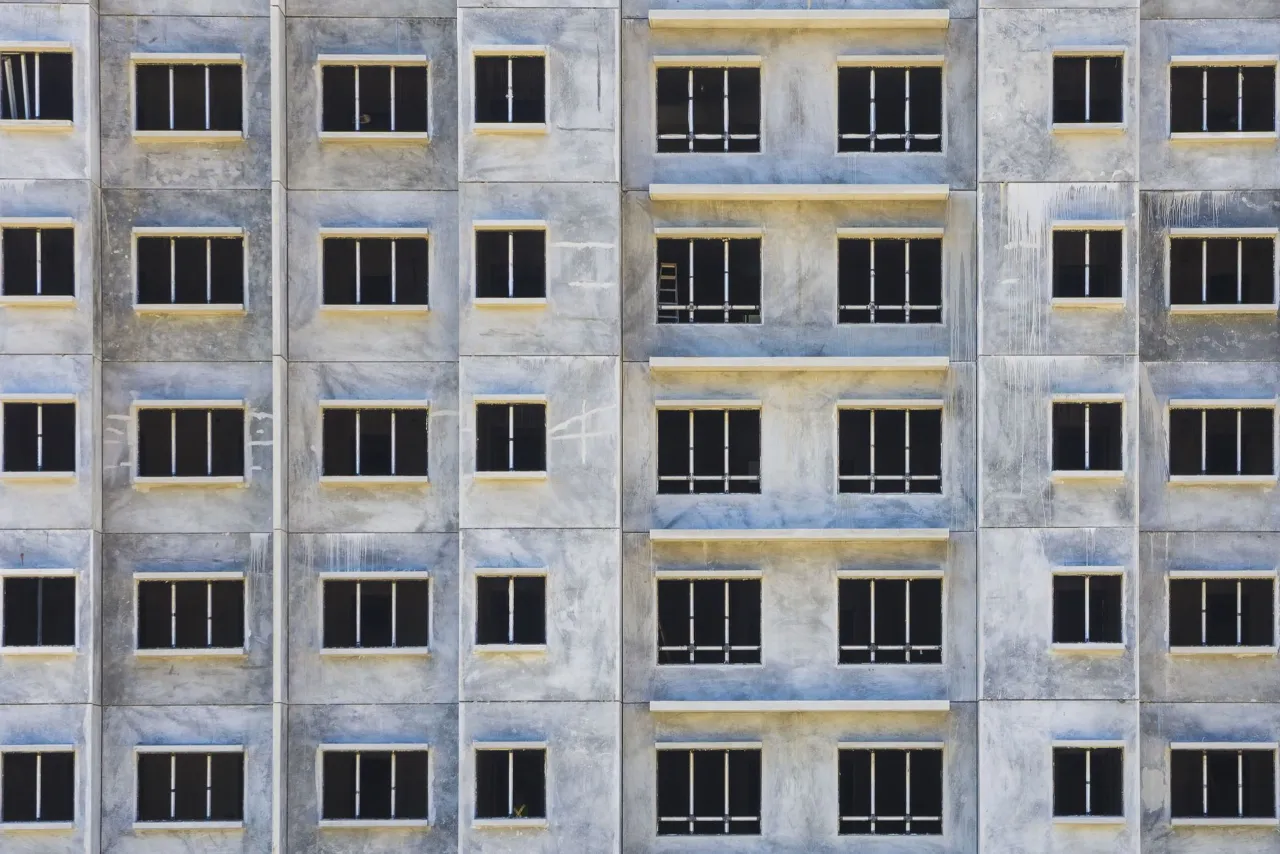
The materials between the visible surfaces deserve a place in every sustainability conversation. Adhesives and sealants may be small components, but their formulation and performance matter.
Look beyond the surface
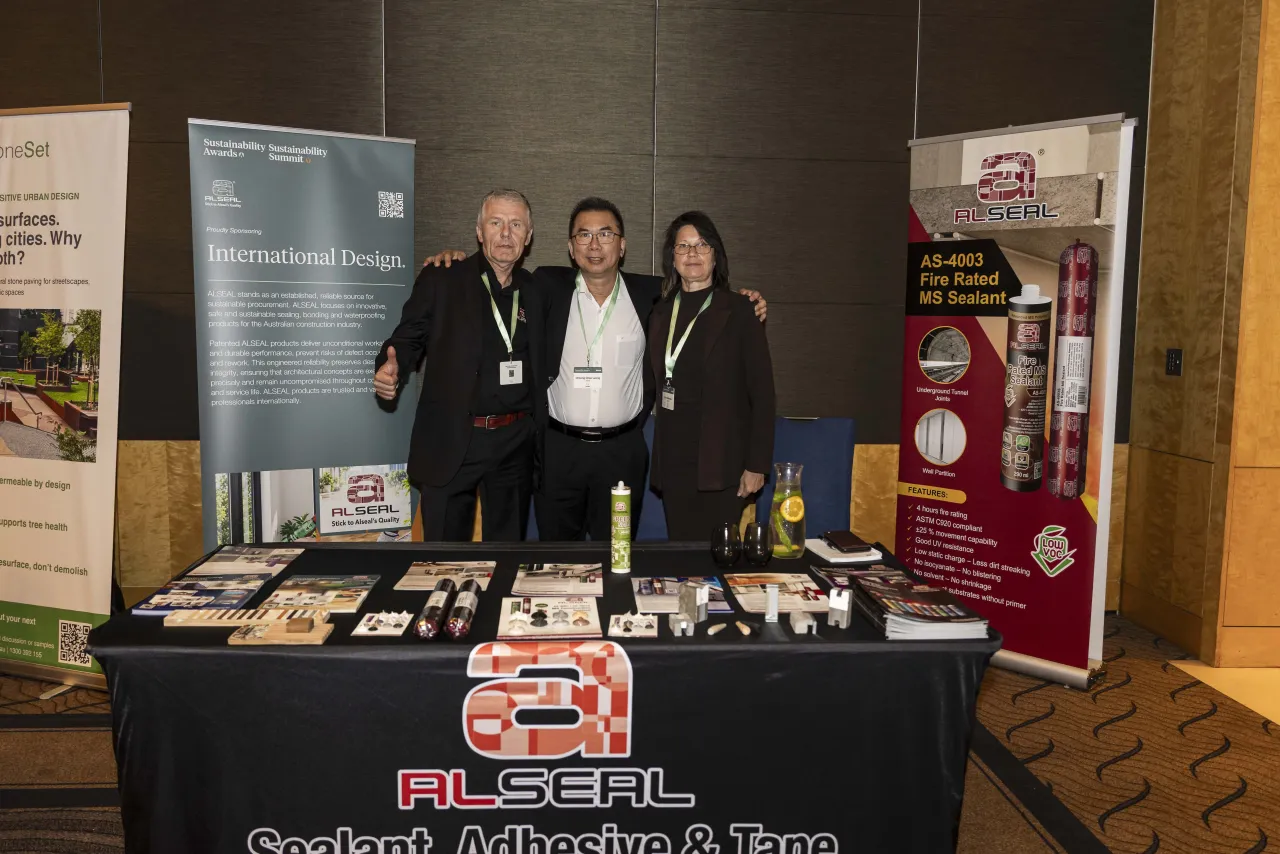
Architecture & Design’s recent ALSEAL feature explores a practical connection: material chemistry, indoor environmental quality and durability should be considered together. For specifiers, that means looking beyond an environmental label to understand what a product contains and how it performs.
Lower impact, lasting performance
The feature highlights ALSEAL’s solvent-free, isocyanate-free MS Polymer formulations and the role of independent GECA certification. It also places durability alongside material selection: reliable bonds and joints can help reduce premature replacement and associated waste.
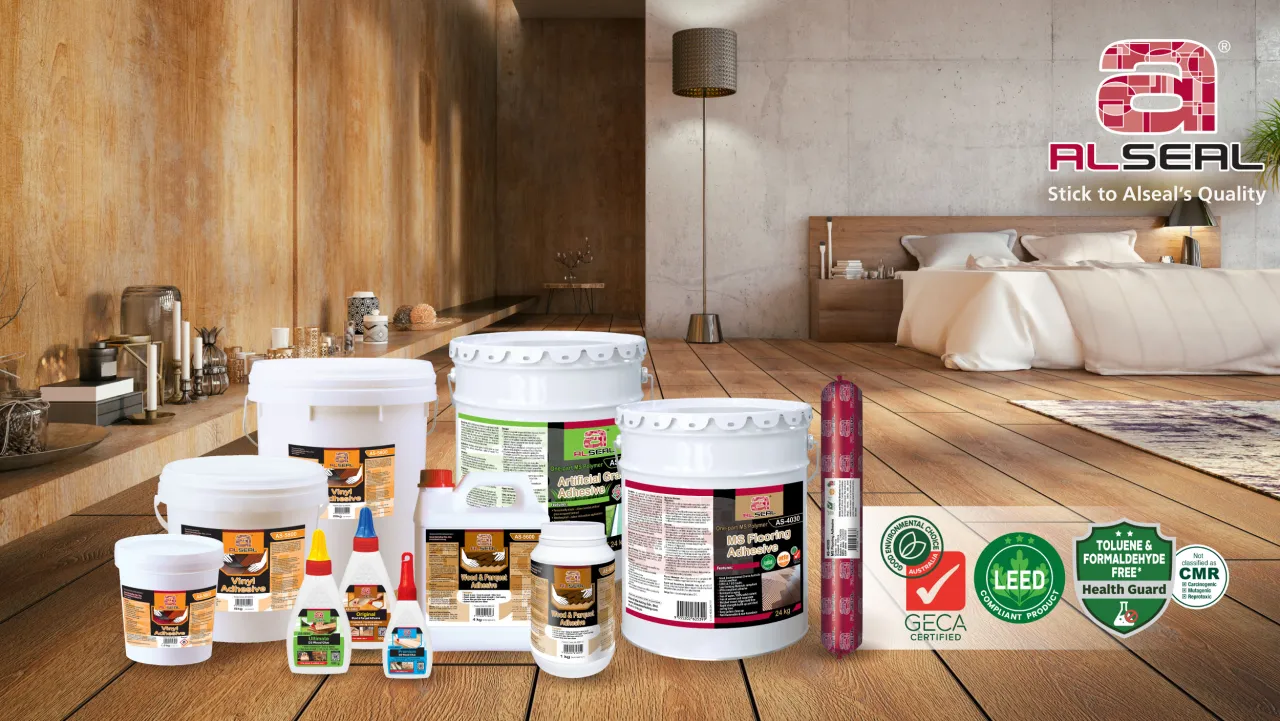
A closer look at AS-4001
Our AS-4001 MS Polymer Construction Sealant/Adhesive is a one-part formulation designed for construction joints. Its product page lists applications including precast wall panels, expansion and control joints, and window-frame perimeter sealing.
The solvent- and isocyanate-free formulation is paintable with most common industrial paints. It contains no silicone oil, helping minimise oil staining on adjacent surfaces. For wet or porous substrates such as concrete, the product guidance recommends AS-602 primer.
Use the product page’s technical data sheet, safety data sheet and supporting documentation to assess suitability for the actual application. The exact substrate, joint detail and installation conditions should guide the choice.
Start your specification with four questions
- What is the application? Identify the surfaces, joint arrangement and expected movement.
- What evidence is available? Review the current technical and safety documents, plus the scope of any certification.
- What preparation is needed? Confirm cleaning, primer and curing requirements before installation.
- Who can confirm suitability? Bring the project details to our team before finalising the product selection.
Further reading
Inspired by Architecture & Design’s ALSEAL feature, published 18 November 2026. Additional product information: ALSEAL AS-4001. Photographs sourced from the original feature.